

(Vietnam environmental law) Government Decree No. 40/2019/ND-CP, which amends and supplements several articles of decrees detailing and guiding the implementation of the Law on Environmental Protection (Vietnam environmental law), stands as one of the most critical regulatory frameworks in Vietnam. It established a more rigorous and transparent legal environment for manufacturing and business activities with potential environmental impacts.
1. Overview of Decree No. 40/2019/ND-CP Vietnam environmental law
This Decree was issued by the Government to rectify previous management shortcomings and synchronize regulations regarding Environmental Impact Assessments (EIA), environmental protection plans, and waste management.
-
Issued Date: May 13, 2019
-
Effective Date: July 1, 2019
-
Scope of Regulation: Amends Decrees No. 18/2015/ND-CP, 19/2015/ND-CP, 38/2015/ND-CP, and 127/2014/ND-CP.
2. Key Changes for Businesses to Monitor
2.1. Stringent Regulations on Environmental Impact Assessments (EIA)
Decree 40 clearly categorizes high-risk pollution projects (Group I) to apply special monitoring measures.
-
Revised appraisal processes for EIA reports.
-
Specific requirements for community consultation and mandatory public disclosure of project information.
2.2. Installation of Continuous Emission Monitoring Systems (CEMS)
A core pillar of Decree 40 is the shift from post-inspection to 24/7 online monitoring.
-
Applicability: Industrial zones and production facilities with wastewater discharge flow rates ge 1,000 m3/day or high-volume exhaust emissions.
-
Technical Requirement: Monitoring data must be transmitted directly and in real-time to the local Department of Natural Resources and Environment (DONRE).
2.3. Environmental Rehabilitation Deposits
For mining activities, the Decree mandates strict environmental restoration deposits to ensure that once a project concludes, the site is returned to a safe environmental state.
3. Technical Procedures for Environmental Documentation under Vietnam environmental law
To ensure full compliance, businesses must adhere to the following technical steps:
-
Project Categorization: Determine whether the project requires an EIA or an Environmental Protection Plan based on the Decree’s appendices.
-
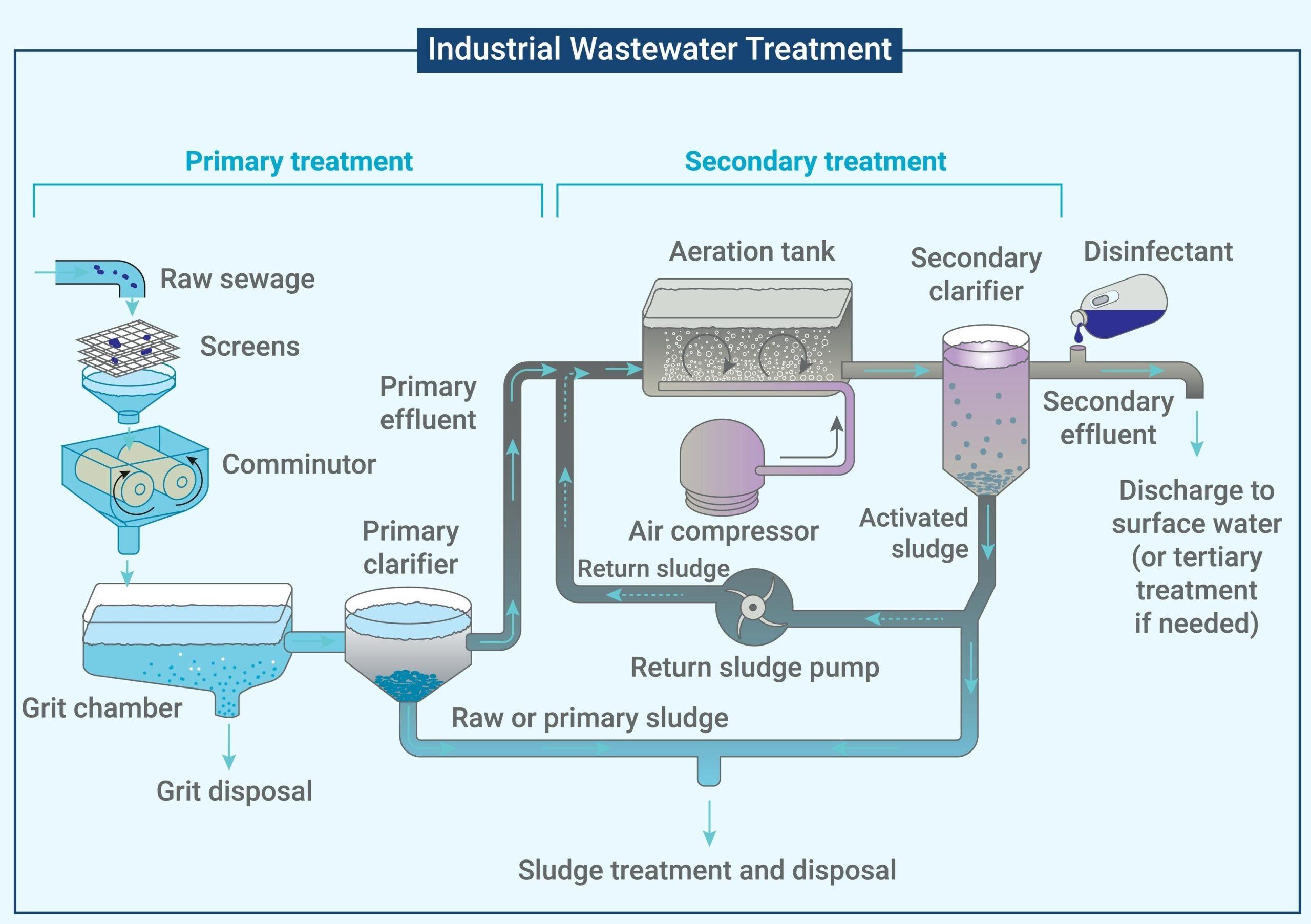
System Design: Construct Wastewater Treatment Plants (WWTP) and emission scrubbers that meet current QCVN (National Technical Regulations).
-
Trial Operation: Businesses must submit a plan for the trial operation of environmental protection facilities and report to authorities for inspection and certification.
-
Periodic/Automatic Monitoring: Conduct monitoring at the exact frequency and locations committed to in the environmental dossiers.
4. Strategic Benefits of Compliance
-
Mitigation of Legal Risks: Avoid substantial administrative fines (which can reach billions of VND) and the risk of operational suspension.
-
Brand Reputation: Meeting “green” standards helps businesses access international markets and achieve ISO 14001 certifications.
-
Community Protection: Minimizing environmental incidents contributes to long-term sustainable development.
5. Expert Conclusion for Vietnam environmental law
Decree 40/2019/ND-CP under Vietnam environmental law is not merely a state management tool; it is a roadmap for businesses to standardize production towards environmental friendliness. Mastering the technical parameters and installation regulations for monitoring equipment is a prerequisite for stable operation in the era of the green economy.