

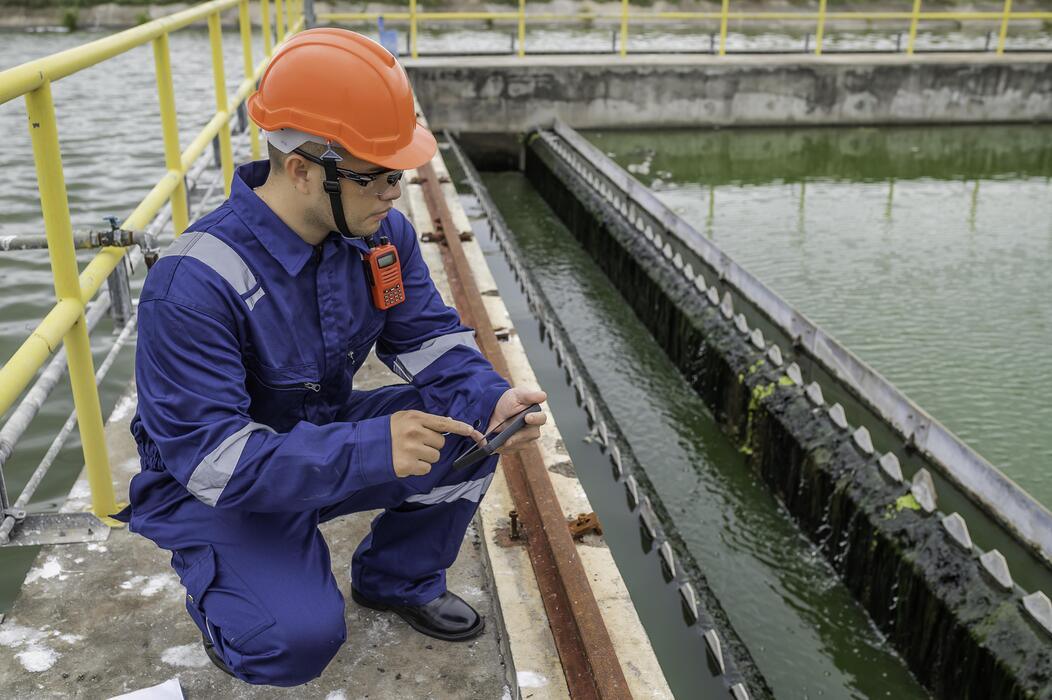
In light of the strict enforcement of the Law on Environmental Protection 2020 and Decree 08/2022/ND-CP, the operation and maintenance (O&M) of wastewater treatment plants (WWTP) is no longer a routine technical task—it is a critical factor for a business’s financial health and corporate reputation.
Why is WWTP Maintenance Imperative?
-
Regulatory Compliance: Ensures effluent quality consistently meets QCVN 40:2011/BTNMT and new directives on automated monitoring.
-
Economic Optimization: Reduces energy consumption by 15–20% and extends equipment lifecycle to over 10 years.
-
Technological Upgrading: Replaces obsolete, high-footprint processes with modern MBR or AAO solutions.
-
Operational Stability: Prevents critical failures such as bulking sludge, biomass washout, or system downtime.
1. The Strategic Necessity of Maintenance & Upgrading
Based on extensive experience in industrial-scale projects, we identify four pivotal drivers for restructuring your maintenance protocols:
Stringent Regulatory Shift and Real-time Monitoring
The government is mandating the installation of Automatic Monitoring Systems (SCADA/IoT) to transmit live data directly to the Department of Natural Resources and Environment (DONRE). Lack of maintenance leads to fluctuations in COD, TSS, and Ammonia levels, triggering administrative fines that can reach billions of VND.
Addressing Technological Obsolescence
Systems commissioned before 2015 often rely on conventional Activated Sludge (CAS) processes with suboptimal Nitrogen and Phosphorus removal. Integrating Membrane Bioreactor (MBR) technology during maintenance cycles can double treatment capacity within the existing footprint.
Operational Expenditure (OPEX) Optimization
In industrial zones, 70% of OPEX is attributed to Electricity and Chemicals.
-
Legacy Systems: Aeration blowers running at 100% capacity without Variable Frequency Drives (VFD) cause massive energy waste.
-
Maintained Systems: Dissolved Oxygen (DO) sensors calibrate VFDs to match actual organic loading, saving up to 30% on monthly utility bills.
2. Economic Analysis: Preventive Maintenance vs. Reactive Repair
| Comparison Metric | Preventive Maintenance | Reactive Repair (Post-Failure) |
| Equipment Cost | Low (Lubrication, bearings, cleaning) | Extreme (Full pump/motor replacement) |
| Cash Flow | Predictable, planned budgeting | Volatile, emergency expenditures |
| Biomass Health | Stable, robust Sludge Volume Index (SVI) | High risk of shock loading; 2-4 weeks to re-seed |
| Legal Risk | 0% (System under total control) | High (Risk of non-compliant discharge during downtime) |
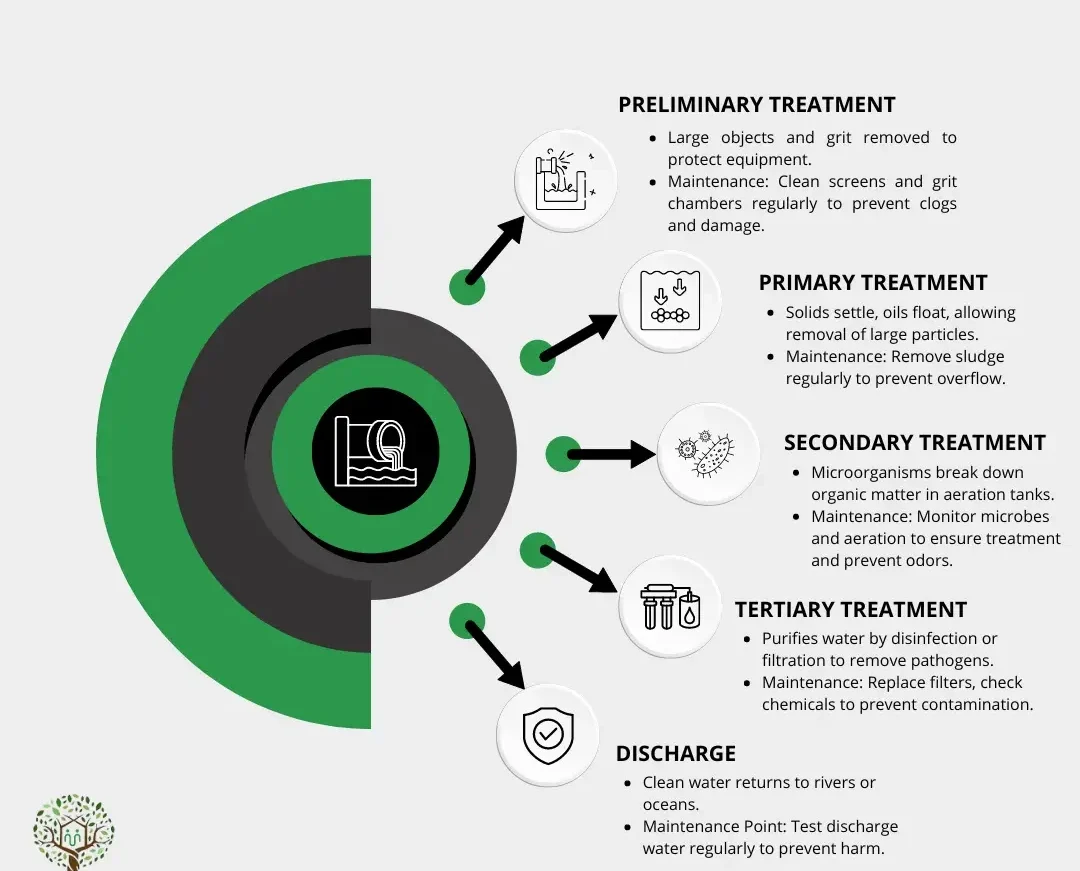
3. Professional Maintenance Protocol
A high-tier O&M process must be executed by certified environmental engineers:
-
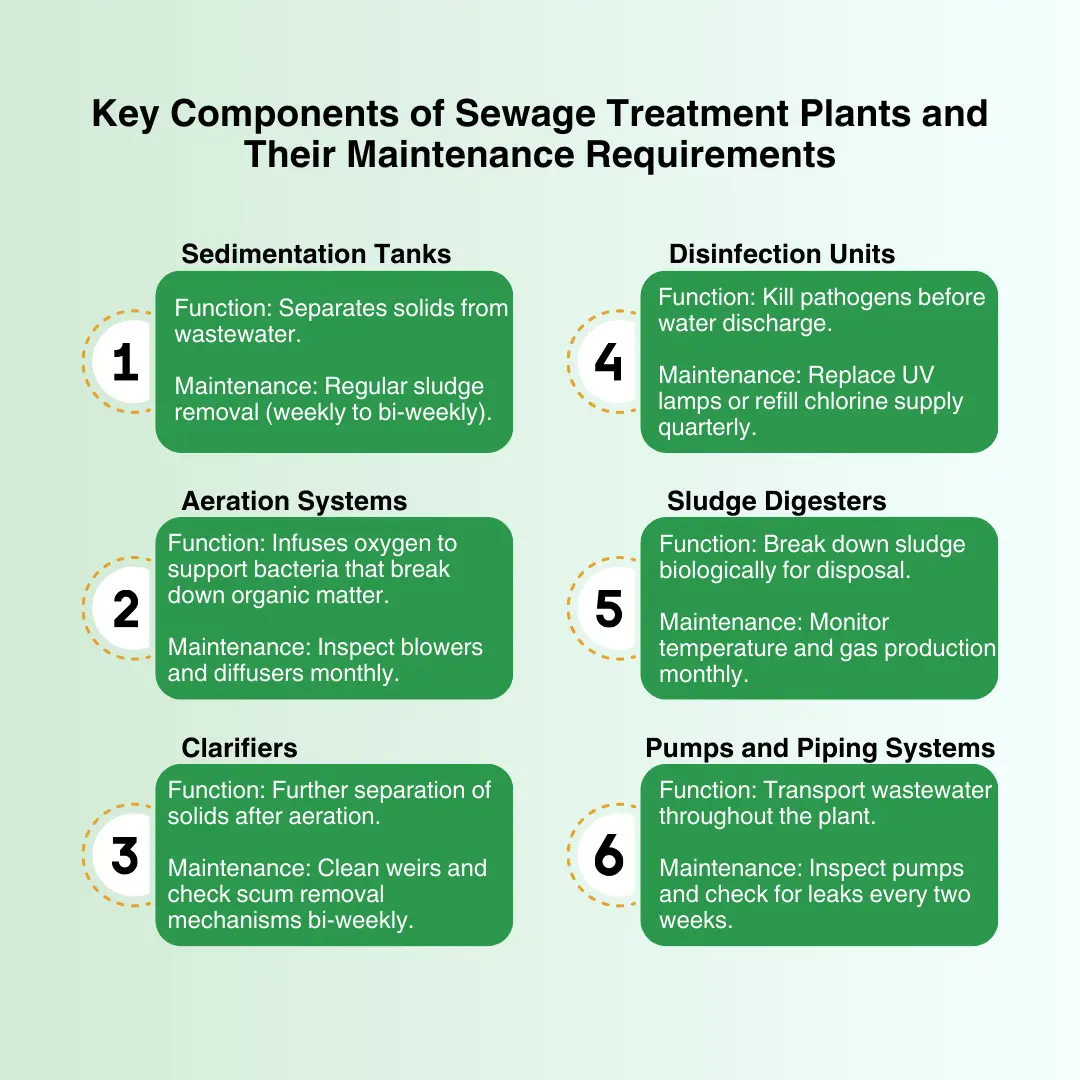
Electromechanical Audit: Borescope inspection of pumps, motor insulation resistance testing, and blower calibration.
-
Biomass Health Assessment: Microscopic analysis of floc structure, SVI measurement, and settling velocity tests.
-
Industrial Sanitization: Desludging lines, cleaning equalization tanks to prevent grit accumulation and clogging.
-
Sensor Calibration: Recalibrating pH, ORP, and DO probes to ensure the integrity of data transmitted to regulatory bodies.
4. Investor Benefits: Shifting from “Cost Center” to “Value Asset”
Professional maintenance transforms an environmental obligation into a strategic advantage:
-
Legal Peace of Mind: Total confidence during unannounced inspections by Environmental Police.
-
Asset Valuation: A well-maintained facility enhances overall corporate valuation during M&A or joint ventures.
-
Green Certification: Achieving ISO 14001 standards facilitates entry into high-barrier markets like the EU and USA (ESG compliance).
Expert Commitment
This content is curated by environmental engineers with over 15 years of field experience in industrial wastewater treatment. We provide data-driven solutions aligned with current technical standards.
Engineer’s Advice: “Do not wait for effluent discoloration or odor to check your system. Establish an operational log and perform preventive maintenance at least every six months to safeguard your investment.”
Optimized by the Technical Team at Tien Ha Enviro – Experts in Sustainable Environmental Solutions.